Carlo Baumann · 2 September 2026
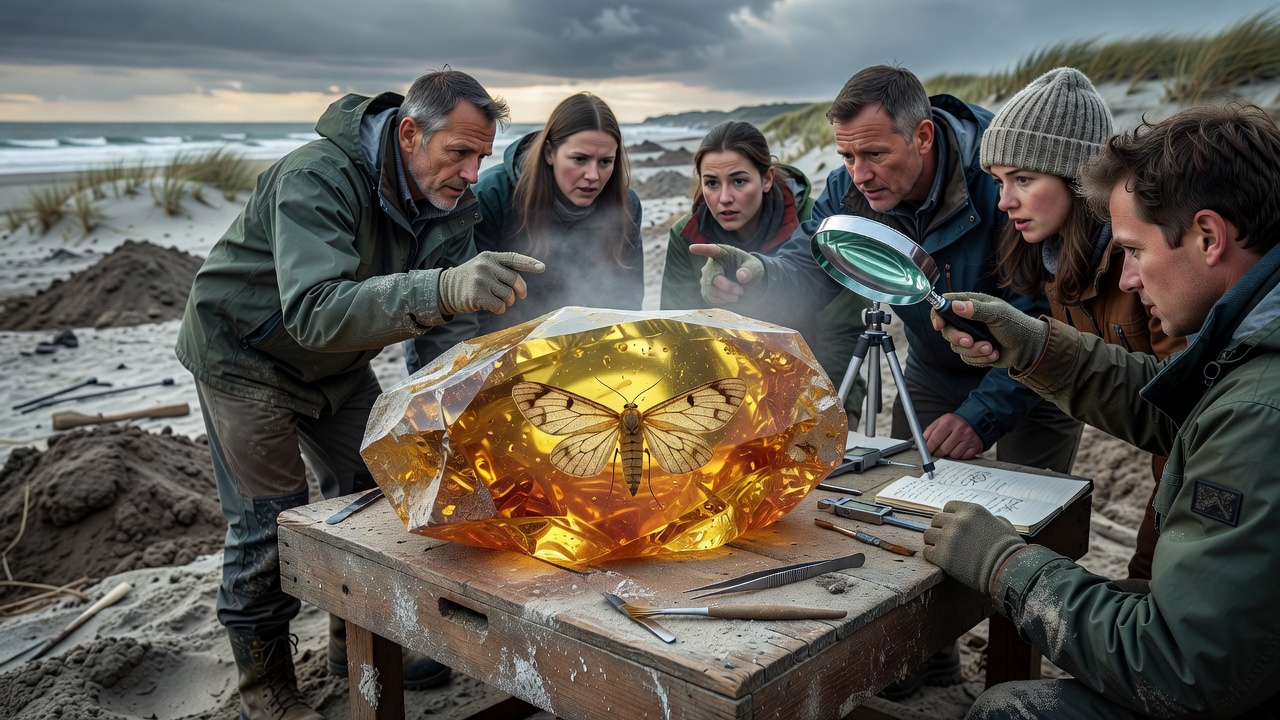
Recent excavations along the Baltic coast have yielded a fossil find that is set to rewrite aspects of natural history. The amber-encased specimen, discovered by a team of researchers, contains evidence of life forms that alter our understanding of ancient ecosystems and migration patterns during the Eocene epoch.
Analysis of the Specimen
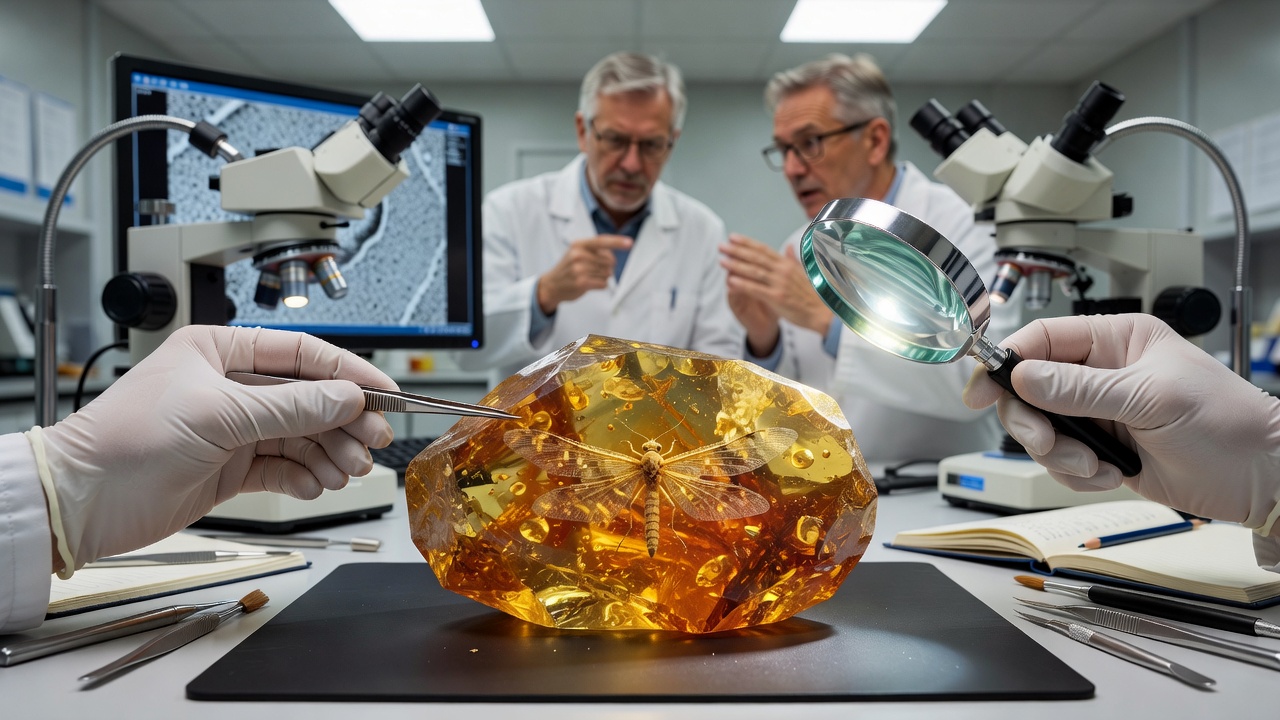
The fossil was subjected to rigorous scientific scrutiny, including carbon dating and microscopic imaging. Results indicate the amber dates back to the Eocene period, with the insect inside showing anatomical features not previously associated with that era. This suggests a revision in the timeline of insect evolution. Educators in amber-related courses are now using this example to illustrate the importance of empirical evidence in paleontology. Multiple laboratories confirmed the findings, ruling out contamination or misidentification. The discovery site is known for its rich deposits, but this particular piece stands out due to its completeness. Students studying Baltic amber learn about such preservation processes, which provide windows into past climates and biodiversity. The implications extend to understanding climate patterns during that time, as trapped air bubbles in amber can be analyzed for atmospheric composition, providing data that complements other geological records.
Effects on Scientific Consensus
Historians and scientists alike are reevaluating established narratives based on this evidence. The find implies that certain species persisted longer or appeared earlier, impacting models of environmental change. This has direct applications in educational settings where courses on amber formation and fossil studies are updated to reflect current research. The broader community is encouraged to explore these topics through dedicated programs that emphasize hands-on learning with real specimens. Future expeditions are planned to search for corroborating evidence. This development not only advances knowledge but also inspires a new generation of researchers in the field of amber education and natural sciences, fostering interdisciplinary approaches that combine geology, biology and historical analysis for comprehensive understanding.