Carlo Baumann · 2 September 2026
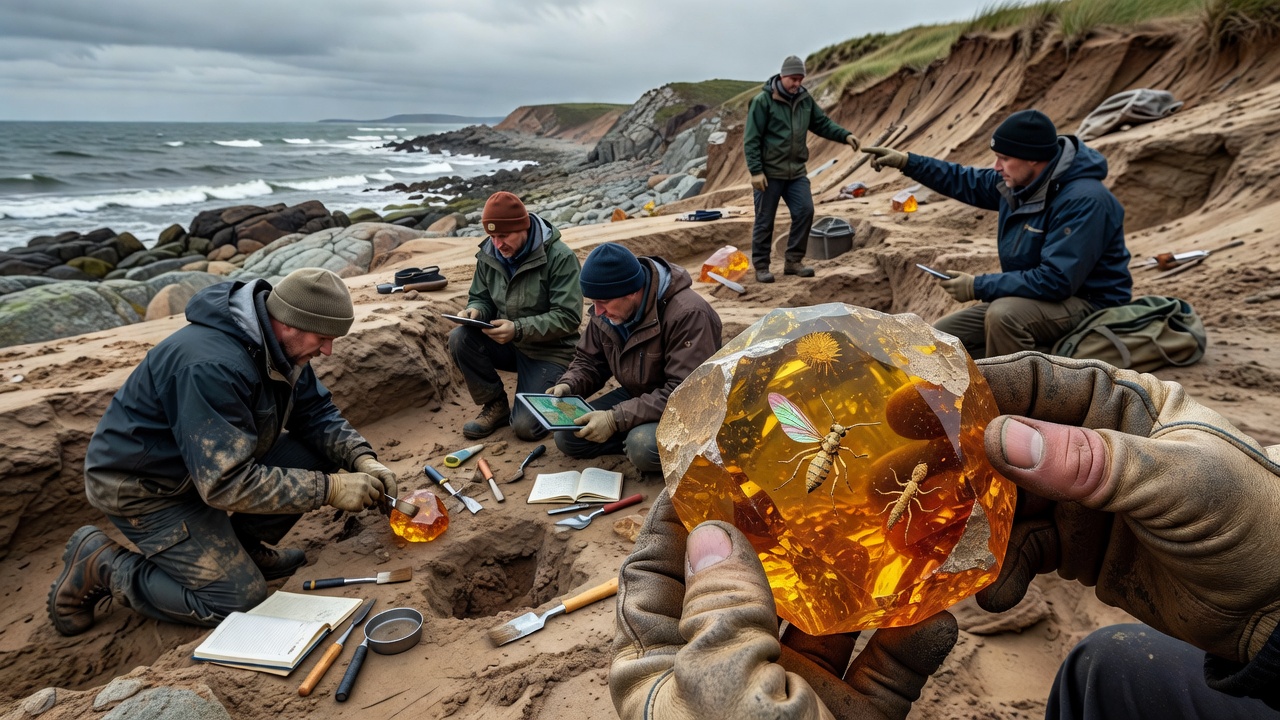
Recent excavations along the Baltic coast have uncovered an extraordinary amber deposit containing fossils that challenge established timelines for prehistoric biodiversity. The specimens, embedded in resin from the Eocene epoch, include remarkably preserved insects and plant fragments suggesting evolutionary developments occurred millions of years earlier than current models indicate.
The Significance of the Baltic Amber Find
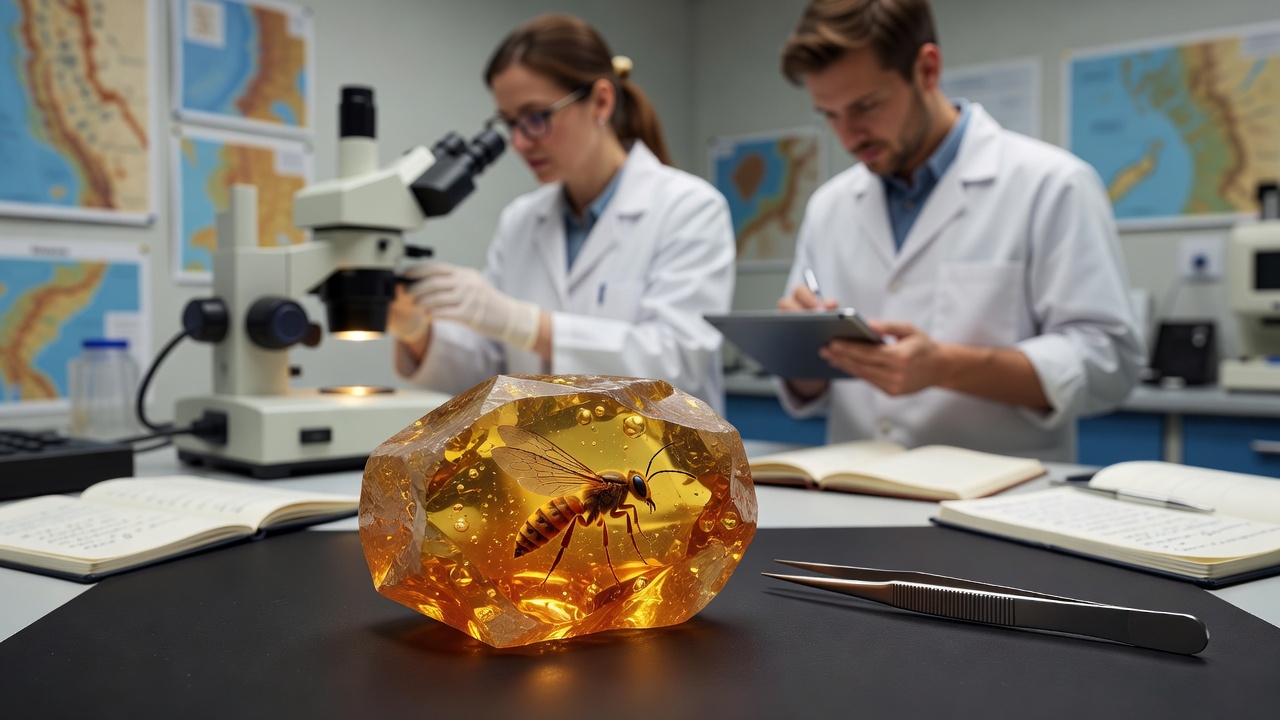
Researchers recovered multiple pieces during systematic surveys near Gdansk, with laboratory analysis revealing inclusions dated to approximately 52 million years ago. Advanced imaging techniques confirmed the presence of species previously thought to have appeared later in the fossil record. This pushes back the known origins of certain pollinating insects and associated flora. The high-quality preservation allows detailed study of morphological features, offering insights into ancient ecosystems. Scientists emphasize that the find provides concrete evidence requiring updates to migration and adaptation theories for Baltic region biota. Further chemical testing of the resin supports the revised chronology without contradicting established geological layers.
International teams are now collaborating to catalog the specimens and compare them with existing collections worldwide. Early results indicate greater complexity in Eocene food webs than previously understood, prompting reevaluation of environmental conditions during that period.
Implications for Educational Programs
Amber-focused educational initiatives are integrating these discoveries into updated course modules on paleontology and natural resins. Learners gain exposure to real-world applications of dating methods and fossil analysis through case studies derived from the new material. Programs highlight how such finds demonstrate the evolving nature of scientific consensus. Field workshops and laboratory sessions now incorporate samples from the site to train participants in identification and documentation techniques. This approach fosters critical thinking about historical data revisions and encourages ongoing research contributions from students. The discovery reinforces the value of sustained exploration in amber-bearing regions for advancing knowledge in earth sciences curricula.