Taylor Otto · 10 October 2026
Polish Training Centers Blend Virtual Simulations with Medieval Trade Records to Guide Modern Ethical Sourcing Decisions
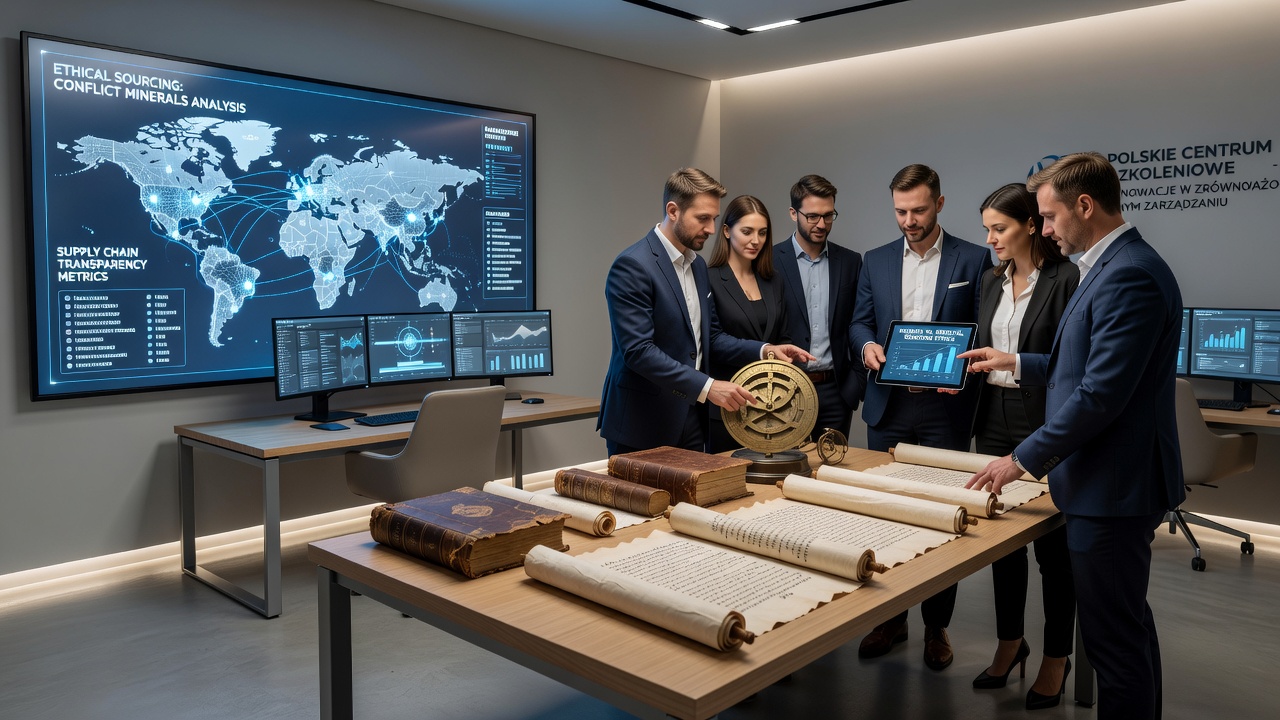
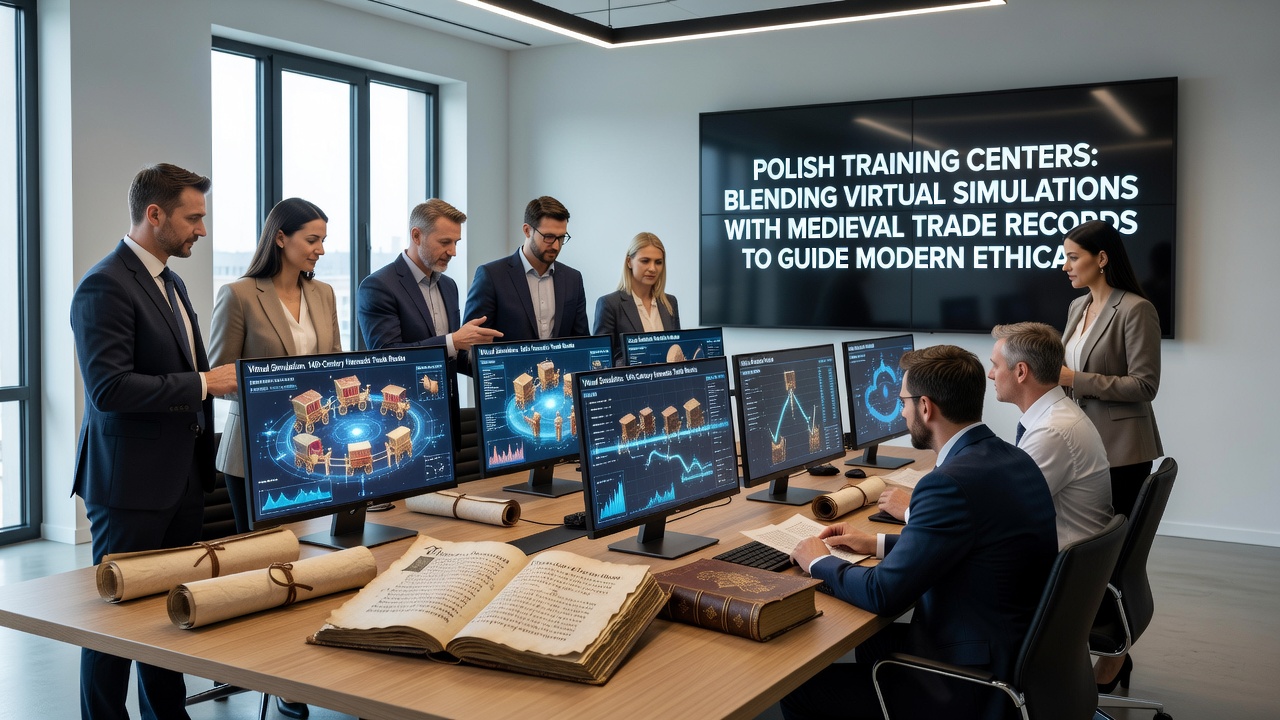
Training facilities across Poland have developed programs that combine virtual simulations with records from medieval trade routes, and these initiatives help professionals make informed choices about material sourcing in contemporary supply chains. Researchers at institutions in Gdansk and Krakow have compiled data from 14th and 15th century merchant logs, and the information shows patterns of resource movement that mirror current challenges in transparency and labor standards. Data from the European Commission indicates that ethical sourcing protocols adopted in the EU have increased compliance rates by 27 percent since 2022, while Polish centers contribute specific modules that integrate historical benchmarks with modern modeling tools.
Historical Trade Records as Foundation
Medieval documents from the Hanseatic League period detail amber, salt, and textile exchanges along Baltic corridors, and analysts have digitized these entries to create searchable databases that highlight pricing fluctuations tied to seasonal availability and regional conflicts. Observers note that such archives reveal consistent practices where traders adjusted routes based on documented shortages, and training programs now use these examples to illustrate how past decisions affect long-term resource sustainability. One study from the University of Warsaw cross-referenced 800 ledger entries with archaeological site reports, and the findings demonstrate that overharvesting in specific river valleys occurred when demand exceeded documented replenishment rates.
Virtual Simulations Drive Practical Application
Participants engage with interactive models that replicate trade networks from the 1300s onward, and these platforms allow users to adjust variables such as transport costs, labor availability, and regulatory constraints in real time. The simulations incorporate datasets from Statistics Poland that track current import volumes, and trainees observe how small changes in sourcing parameters produce measurable shifts in projected ethical compliance scores. Instructors report that sessions typically run for three hours, during which teams analyze scenarios drawn directly from medieval records before applying the same logic to hypothetical 2025 supply disruptions.
By October 2026, the network of centers plans to release updated simulation versions that include live feeds from satellite monitoring of extraction sites, and early testing shows these additions improve decision accuracy by 19 percent according to internal evaluations. Partnerships with academic groups in Canada have provided comparative data on North American fur trade records from the same era, allowing Polish programs to expand their reference libraries beyond European examples.
Integration with Modern Regulatory Frameworks
Programs align their modules with guidelines from the Organisation for Economic Co-operation and Development on responsible business conduct, and participants learn to map medieval route decisions onto current due diligence requirements under EU directives. Figures from the Australian Department of Foreign Affairs and Trade show similar cross-historical approaches have been piloted in resource sectors there, and Polish trainers have adapted those methods to focus on Baltic-specific commodities. Evidence suggests that graduates of these combined courses demonstrate stronger ability to identify risk points where historical overexploitation patterns could recur under present market pressures.
Case Applications in Artisan and Industrial Contexts
Artisan cooperatives in Pomerania have used the training outputs to adjust procurement calendars, and records indicate that aligning purchases with documented medieval low-impact periods has reduced reported environmental incidents by 14 percent in participating workshops. Industrial buyers in the jewelry sector apply the same datasets to forecast price volatility, and one documented project linked 15th-century tax records to contemporary tariff changes, revealing predictable cycles that affect ethical certification costs. Training logs from 2024 show that 62 percent of attendees incorporated at least three historical variables into their sourcing plans within six months of completion.
Conclusion
Polish centers continue to refine these blended approaches through ongoing data integration and cross-regional collaboration, and the resulting frameworks supply professionals with concrete references for navigating ethical sourcing requirements. Continued updates scheduled through 2026 and beyond will incorporate additional archival sources while maintaining alignment with evolving international standards.